

Key Points
- Install detectors near every sleeping area and on each level of the home.
- Mount detectors about five feet off the floor, away from fuel-burning appliances.
- Hardwired and interconnected detectors offer the most reliable long-term protection.
- Test monthly, clean every six months, and replace every five to seven years.
- A sustained alarm pattern means evacuate first, then call emergency services.
What Every Hobe Sound Homeowner Should Know
Carbon monoxide is odorless and colorless, which is why it’s often called the silent killer. A properly installed, code-compliant detector is usually the only warning a household gets before CO reaches dangerous levels, so the alarm itself needs to be reliable and correctly placed from day one.
Most detectors have a working lifespan of five to seven years, even if they appear to function normally past that point. Recognizing early symptoms of CO exposure, including headaches, nausea, and dizziness, matters just as much as the hardware, since those signs often show up before an alarm does.
Where to Install and Mount Your Detectors
Detectors belong near every sleeping area and on each level of the home, including basements and any space next to an attached garage, where vehicle exhaust is a common source of CO. Keep them at least 15 feet from stoves, fuel-burning appliances, and vents to avoid false alarms and unreliable readings.
Mounting height matters too. About five feet off the floor, within the upper third of the wall, is the practical standard for bedrooms and hallways. In basements, mounting closer to the ceiling takes advantage of the fact that warm combustion air tends to rise. In our electrical service calls throughout Hobe Sound, from the streets near Gomez Road to the waterfront communities along the Intracoastal, we consistently see detectors placed by guesswork rather than guidelines, which is exactly what professional carbon monoxide detector installation is meant to fix.
Choosing the Right Type of Detector
Battery-operated detectors are flexible and easy to place anywhere, which makes them useful in spots where wiring isn’t practical. Hardwired detectors connect to the home’s electrical system with battery backup, and when interconnected, one triggered alarm sounds every unit in the home, which is generally the stronger long-term choice for whole-home protection.
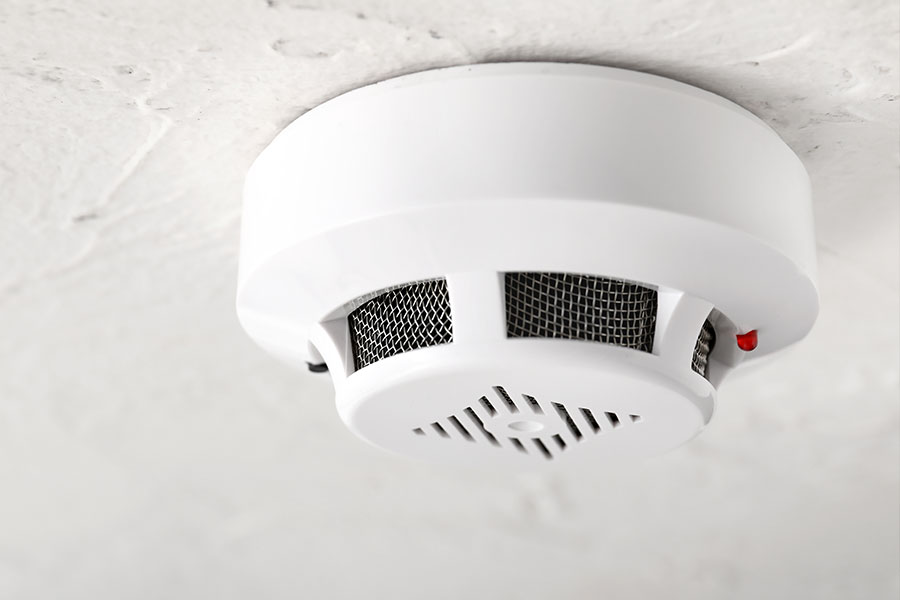
Smart detectors add real-time smartphone alerts even when no one is home, which is worth considering for households with elderly family members or rental properties. Whatever type you choose, pairing it with a full smoke detector installation covers both major air-quality hazards in one visit.
Testing, Maintenance, and Replacement
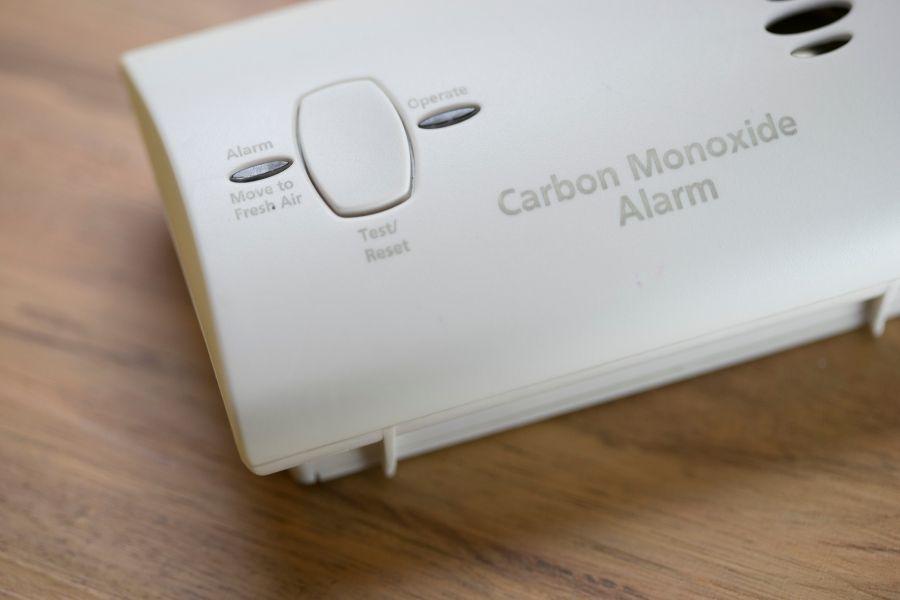
Test each detector monthly using the built-in test button. No response means replace the batteries first, and if the unit still doesn’t respond, replace the detector itself. Clean the sensor every six months with a soft brush or a light vacuum pass to keep it reading accurately.
Check the manufacture date on the back of the unit, since most detectors need replacement every five to seven years regardless of appearance. Hobe Sound’s warm, humid climate can accelerate that sensor degradation, so it’s worth checking dates more proactively than homeowners in cooler regions might.
If Your Detector Alarms
A single, intermittent chirp usually means a low battery. A sustained pattern of beeps means a real CO event, and the response should be immediate:
- Evacuate immediately — everyone, including pets, exits without stopping to investigate.
- Call emergency services — contact the fire department or gas company from a safe distance outside.
- Stay out until cleared — don’t re-enter until responders confirm it’s safe, even if the beeping stops.
- Ventilate and inspect — once cleared, open windows and have a licensed professional inspect fuel-burning appliances before anyone moves back in.
Protecting Your Hobe Sound Home Year-Round
The CDC reports that unintentional carbon monoxide poisoning kills more than 400 people in the U.S. each year, and the U.S. Fire Administration recommends interconnected alarms on every level of the home as one of the most effective ways to prevent that outcome. Correct placement, mounting, and maintenance are the difference between a detector that’s present and one that actually protects your household.
From older homes near Hobe Sound’s historic downtown to newer construction along the coast, detector placement is one of the most commonly overlooked safety details we see. If you’d like your current setup evaluated or new detectors installed correctly the first time, contact our team today to schedule a safety consultation.
FAQ
How many carbon monoxide detectors does my home need?
At least one on every level, plus one near each sleeping area.
How high should a CO detector be mounted?
About five feet off the floor, within the upper third of the wall.
How often should I replace my CO detector?
Every five to seven years, or sooner if it’s not responding to testing.
Are hardwired detectors better than battery-operated ones?
Hardwired, interconnected detectors are generally more reliable for whole-home coverage.
What should I do if my CO alarm won’t stop beeping?
Evacuate immediately and call emergency services before assuming it’s a false alarm.