

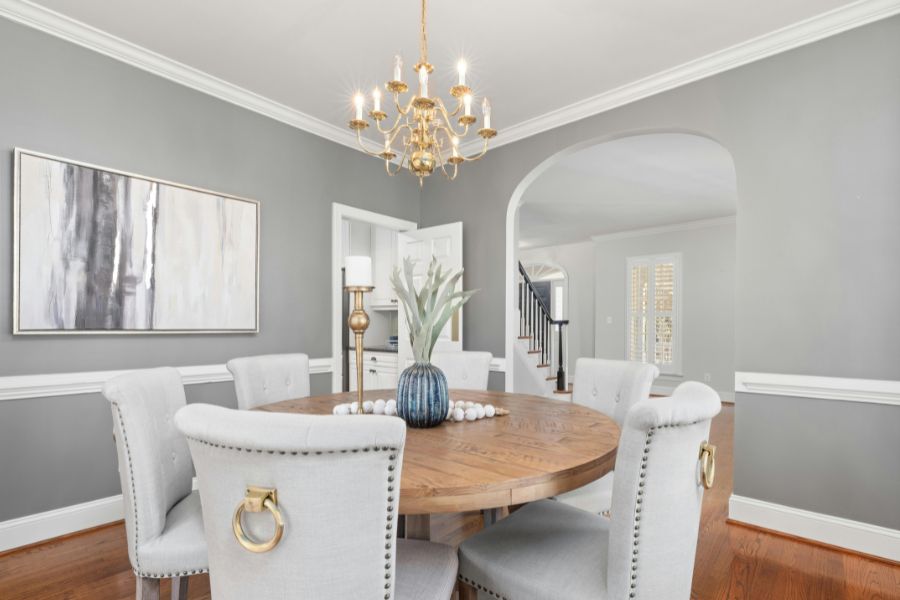
Installing a chandelier is one of the most impactful upgrades a homeowner can make, transforming an ordinary room into a space with genuine character and presence. But before the fixture goes up, there are several important factors to work through, from matching the chandelier’s style to the room’s purpose, to confirming that the existing electrical system can safely support the installation.
For homeowners throughout Vero Beach, from the historic neighborhoods near Ocean Drive to the newer residential developments west of US-1, chandelier installation is a project that rewards careful planning and professional execution. Our chandelier installation services guide homeowners through every step of the process, ensuring the result is both beautiful and built to last.
Choosing the Right Chandelier for Your Room’s Purpose
Not every chandelier serves the same function, and the starting point for any successful installation is understanding what role the fixture needs to play in the space. A chandelier in a dining room is primarily about atmosphere, creating a warm, inviting focal point that draws people together around the table. A chandelier in an entryway or hallway, on the other hand, needs to prioritize illumination as much as aesthetics, since it often sets the first impression of the entire home.
Scale matters just as much as purpose. A large, dramatic chandelier can anchor a spacious living room or double-height foyer beautifully, but the same fixture in a smaller space will feel crowded and out of proportion. A more modestly sized chandelier, chosen thoughtfully, can enhance the charm of a cozy dining nook or bedroom without overwhelming it.
Hanging height is another dimension that deserves careful attention. A chandelier installed too low creates a visual obstruction and can feel oppressive in the room. Too high, and it loses its presence entirely, becoming a distant feature that fails to deliver the warmth and drama it was chosen for. In our electrical service calls throughout Vero Beach, we frequently find that hanging height is one of the most commonly misjudged aspects of chandelier placement, and correcting it after the fact requires additional work that proper planning avoids.
Finally, bulb selection plays a real role in the fixture’s effectiveness. Warm-toned bulbs create a cozy, intimate atmosphere well suited to dining rooms and bedrooms, while brighter, cooler options work better in kitchens or workspaces where task lighting is the priority.
Choose the Right Style and Design for Your Chandelier
Once the room’s purpose and functional requirements are established, style and design become the primary considerations. The right chandelier does more than illuminate a space. It defines the room’s personality and either reinforces or elevates the existing interior design.
The starting point is the room’s overall aesthetic. A sleek, geometric chandelier with clean lines and a brushed metal finish is a natural fit for a contemporary or minimalist interior. An ornate, multi-tiered fixture with crystal accents carries a sense of elegance and formality that suits traditional or transitional spaces. Vero Beach homes with coastal or Florida-vernacular design often benefit from natural materials, rattan, driftwood-inspired finishes, or softer organic shapes that feel at home in a seaside environment.
Size relative to the room is a dimension that should be calculated rather than eyeballed. A fixture that looks proportionate in a showroom can feel entirely different once it is hanging in an actual room with specific ceiling heights, furniture arrangements, and sight lines. A professional assessment of the space before ordering a fixture helps avoid costly mismatches.
Material and finish selection should take the existing hardware, furniture, and decor into account. Coordinating the chandelier’s finish with other metallic elements in the room, such as cabinet hardware, faucets, or light switch plates, creates a sense of visual coherence. Crystal elements add light-catching elegance, while matte black or bronze finishes tend to anchor a room with a grounded, sophisticated quality.
Pairing a well-chosen chandelier with complementary indoor lighting installation throughout the rest of the space creates a cohesive lighting plan that serves both function and design at every level of the room.
Key Electrical Considerations for Chandelier Installation
A chandelier’s visual appeal only tells part of the story. The electrical infrastructure behind the installation is what determines whether the fixture performs safely and reliably over the long term. This is where professional involvement becomes not just advisable but essential.
The first consideration is whether the existing wiring is adequate to support the new fixture. Older Vero Beach homes, particularly those built before the 1980s, may have wiring that does not meet current code requirements or that was not designed to carry the load of a modern chandelier. A licensed electrician will assess the wiring condition and identify whether any upgrades are needed before installation proceeds.
Circuit capacity is closely related. The circuit serving the chandelier’s location needs to be able to handle the combined wattage of all the bulbs in the fixture without tripping breakers or creating overheating risks. This calculation takes into account what else is already drawing power from the same circuit.
Mounting infrastructure is another critical factor that is often underestimated. Chandeliers, particularly larger or more ornate models, can be substantially heavier than a standard light fixture. The ceiling junction box must be rated to support the chandelier’s weight, and in many cases a standard box will need to be replaced with a fan-rated or chandelier-specific mounting box before installation can proceed safely.
Bulb type also affects the electrical equation. LED options consume far less wattage than incandescent equivalents and produce less heat, reducing strain on both the fixture and the circuit. For chandeliers with many sockets, this distinction can make a meaningful difference in both energy consumption and long-term performance.
How to Budget for Your Chandelier Installation
Budgeting accurately for chandelier installation means accounting for more than just the cost of the fixture itself. The complete project cost includes the chandelier, professional installation labor, and any electrical work that needs to happen before or during the installation.
The fixture cost can range considerably depending on size, materials, brand, and design complexity. Establishing a realistic budget range before shopping helps narrow the field and prevents the common situation of falling in love with a fixture that is incompatible with the overall budget once installation costs are factored in.
Installation costs vary based on the complexity of the job. A straightforward swap of one fixture for another on an existing, adequately wired circuit is a simpler undertaking than an installation that requires new wiring, a circuit upgrade, or significant work in the ceiling to reinforce the mounting point. Getting a detailed quote from a licensed electrician before committing to a fixture purchase allows for accurate total-cost planning.
Electrical upgrades should also be anticipated as a potential line item. Homes that have not had their electrical systems evaluated recently may need wiring updates, a new junction box, or even a circuit breaker installation to safely support the new fixture. These are not unexpected complications so much as practical realities for older homes, and building some flexibility into the budget for them avoids surprises mid-project.
Requesting itemized quotes from licensed electricians, rather than ballpark estimates, provides the clearest picture of what the project will actually cost and eliminates the risk of hidden fees appearing after work has begun.
What Are the Electrical Requirements for Your Chandelier?
Understanding the electrical requirements of a specific chandelier before installation begins is a step that prevents problems and protects both the fixture and the home’s electrical system.
Most residential chandeliers are designed to operate on standard 120-volt circuits, but confirming the fixture’s voltage and wattage specifications before installation is still an important step. The total wattage of all bulbs in the fixture, when combined, determines how much load the circuit will carry during operation. If that figure approaches or exceeds the circuit’s rated capacity, a dedicated circuit or an upgrade may be warranted.
For homes replacing an older fixture with a new chandelier, the existing wiring at that location deserves a professional evaluation. Wiring that was installed decades ago may not meet current National Electrical Code standards, and connecting a new fixture to outdated wiring creates safety risks that negate the value of the upgrade.
Ceiling support is a structural consideration that runs parallel to the electrical requirements. Chandeliers vary widely in weight, and the ceiling junction box must be rated to handle the specific fixture being installed. This is not a detail that can be assumed or skipped. A fixture that is improperly supported can loosen over time, creating both safety hazards and damage to the ceiling and wiring.
Working with a licensed electrician who is familiar with Vero Beach’s local building codes ensures that every aspect of the installation, from wiring condition to mounting hardware to circuit load, is addressed correctly and inspected to standard.
Making Your Vero Beach Chandelier Installation a Success
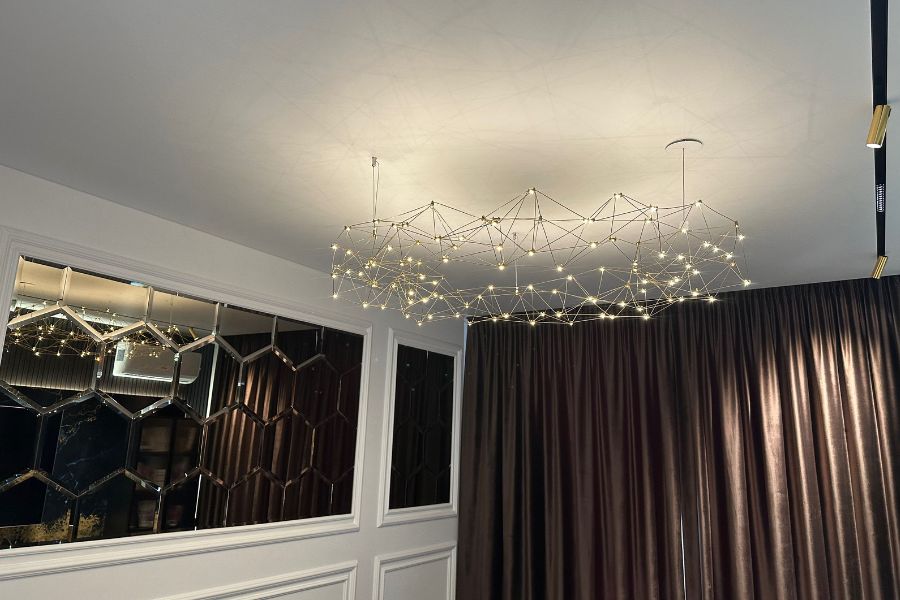
A chandelier done right is genuinely transformative. It shifts the atmosphere of a room in a way that few other upgrades can match, serving simultaneously as a functional light source and a defining design element that reflects the homeowner’s taste and attention to detail.
Based on what we see in Vero Beach, FL properties, the installations that deliver the best long-term results are the ones where style, electrical readiness, and structural support are all evaluated together before a single wire is touched. That comprehensive approach is what separates a chandelier that looks and performs beautifully for years from one that creates problems shortly after installation.
If you are planning a chandelier installation or want to evaluate whether your home’s electrical system is ready to support one, contact our team today to schedule a consultation. We also offer electrical safety inspections for homeowners who want a full picture of their home’s electrical condition before beginning any new lighting project.